

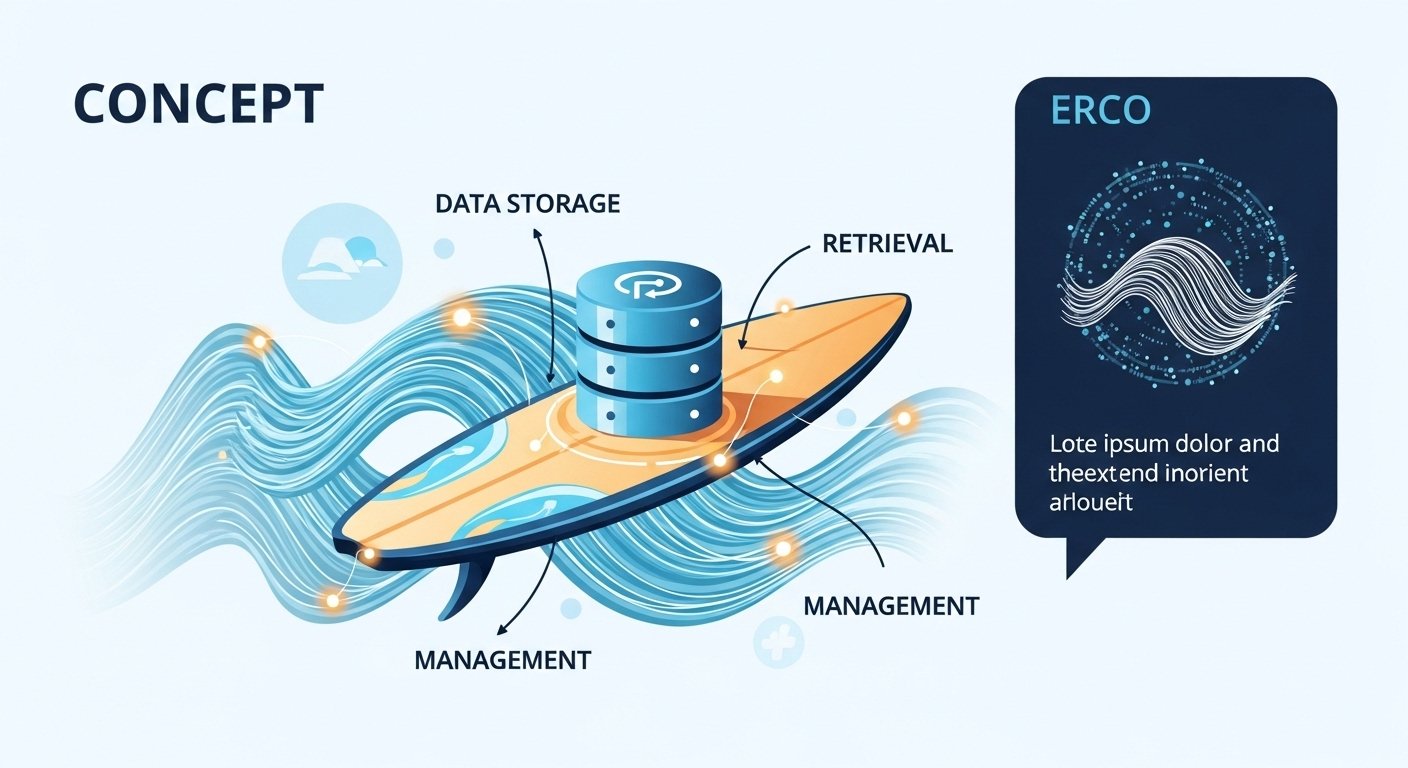
Sruffer DB is a term that has been increasingly searched across digital platforms, especially among users looking for information related to modern data systems, structured databases, and digital storage frameworks. While the exact definition of Sruffer DB is not widely documented in traditional technology literature, it is often discussed in the context of database systems and structured data handling environments. Understanding requires looking at how contemporary databases function and how new or emerging systems are categorized in the digital ecosystem.
In simple terms, Sruffer DB is commonly interpreted as a conceptual or emerging database framework used to describe structured data retrieval processes. In discussions around Sruffer DB, the focus is often on data organization, efficiency, indexing systems, and retrieval speed. As businesses continue to rely on data-driven decisions, the relevance of systems like becomes more significant in theoretical and practical applications.
The growing curiosity around Sruffer DB also comes from its association with evolving digital architectures. Whether it is cloud computing, backend development, or data analysis systems, is often referenced as a model or concept that aligns with next-generation database thinking.
Understanding the Concept of Sruffer DB
Sruffer DB can be understood as a conceptual representation of a database structure designed to manage large sets of structured or semi-structured data. In modern computing environments, databases are no longer limited to simple storage systems. They are now complex ecosystems that support real-time analytics, distributed computing, and high-speed data retrieval. Within this context, is often described as a framework that reflects these advanced capabilities.
The idea behind revolves around optimizing how data is stored and accessed. Traditional databases often struggle with scaling when data volume increases rapidly. Sruffer, as a conceptual model, is associated with improved scalability and flexible indexing methods. This makes it a relevant term in discussions about high-performance computing environments.
Another important aspect of Sruffer DB is its connection to structured query systems. Databases that fall under the conceptual umbrella of are often imagined to support efficient querying mechanisms that reduce latency and improve response time. This makes the term useful in theoretical discussions about database optimization and system architecture.
How Sruffer DB Fits Into Modern Data Systems
In today’s digital world, data is generated at an unprecedented rate. From social media interactions to financial transactions, every action contributes to massive data accumulation. Sruffer DB is often discussed in relation to how such data can be efficiently managed and processed.
Modern data systems rely heavily on distributed architecture, and is often positioned as a conceptual model that aligns with this approach. Instead of storing all data in a single location, distributed systems spread information across multiple nodes. This improves speed, reliability, and fault tolerance. Within this framework, is associated with structured distribution and optimized retrieval logic.
Another key aspect is integration with cloud-based platforms. Many discussions around Sruffer DB highlight its relevance in cloud environments where scalability and accessibility are critical. Cloud databases require systems that can handle dynamic workloads, and is often described as a flexible structure capable of adapting to these demands.
Key Characteristics Associated with Sruffer DB
When exploring Sruffer DB, several characteristics are commonly associated with its conceptual framework. One of the most important is scalability. In modern computing, scalability determines how well a system can handle increasing amounts of data without performance loss. Sruffer is often described as having strong scalability principles built into its structure.
Another characteristic linked to is efficiency in data retrieval. In database systems, retrieval speed is crucial because it directly affects application performance. Sruffer is frequently discussed in terms of optimized indexing and query handling, which are essential for fast data access in large-scale environments.
Flexibility is also a key attribute often associated with Sruffer DB. Unlike rigid database systems, flexible models allow for adjustments in structure without significant downtime or reconfiguration. This makes an appealing concept in discussions about modern adaptive database systems.
Importance of Sruffer DB in Data Management
Sruffer DB plays an important conceptual role in understanding how modern data management systems evolve. As organizations continue to shift toward digital-first operations, the need for efficient data handling becomes more critical. Sruffer is often used as a reference point for exploring how structured systems can improve performance and reliability.
In data management, one of the primary challenges is ensuring consistency across large datasets. Sruffer is associated with mechanisms that support data consistency while maintaining high availability. This balance is essential for applications such as financial systems, e-commerce platforms, and real-time analytics tools.
Another important aspect is data security. Although Sruffer DB is not defined as a specific product, discussions around it often include references to secure data handling practices. This includes encryption, access control, and secure query execution, all of which are essential in modern database environments.
Sruffer DB and Its Role in Software Development
Software development relies heavily on databases to store and manage application data. Sruffer DB is often referenced in discussions about backend development and system design. Developers need database systems that are fast, reliable, and scalable, and is commonly used as a conceptual model for these requirements.
In application development is associated with seamless integration between frontend interfaces and backend systems. This ensures that user interactions are processed efficiently and data is retrieved without delays. Such integration is essential for modern web and mobile applications.
Additionally, Sruffer DB is often discussed in relation to API-driven architectures. APIs act as bridges between applications and databases, and is imagined as a system that supports smooth API interactions. This improves overall system performance and enhances user experience.
Challenges and Limitations of Sruffer DB Concepts
Despite its conceptual advantages, Sruffer DB also faces theoretical limitations. One of the primary challenges is the lack of standardized definition. Since is not universally recognized as a formal database system, interpretations may vary depending on context.
Another limitation is the potential complexity in implementation. Advanced database concepts often require sophisticated infrastructure and technical expertise. If is viewed as a scalable and distributed model, then implementing such a system would require significant resources and planning.
There is also the challenge of compatibility. In real-world systems, databases must integrate with existing technologies. Sruffer DB, as a conceptual framework, may face compatibility issues when mapped to traditional database architectures without proper adaptation.
Future Potential of Sruffer DB
The future of Sruffer DB lies in how database technologies continue to evolve. As artificial intelligence, machine learning, and big data analytics become more advanced, the demand for efficient data structures will continue to grow. is often viewed as part of this evolving conversation.
One potential direction is its alignment with AI-driven data systems. Intelligent databases that can optimize queries automatically and manage resources dynamically are becoming more common. DB, as a conceptual model, fits into this vision of self-optimizing data systems.
Another future possibility is integration with decentralized technologies. With the rise of blockchain and distributed ledgers, new forms of data storage are emerging. Sruffer DB may be referenced in discussions about hybrid systems that combine traditional databases with decentralized frameworks.
Conclusion
Sruffer DB represents a conceptual approach to understanding modern database systems and structured data management. While it may not be defined as a single official product or platform, its usage in discussions highlights important ideas about scalability, efficiency, and data organization. As digital systems continue to evolve, concepts like help shape the way developers and analysts think about future-ready data architectures.
Continues to hold relevance in theoretical discussions about database systems. Its association with structured data handling, optimization, and scalability makes it a useful concept in understanding modern computing environments.