

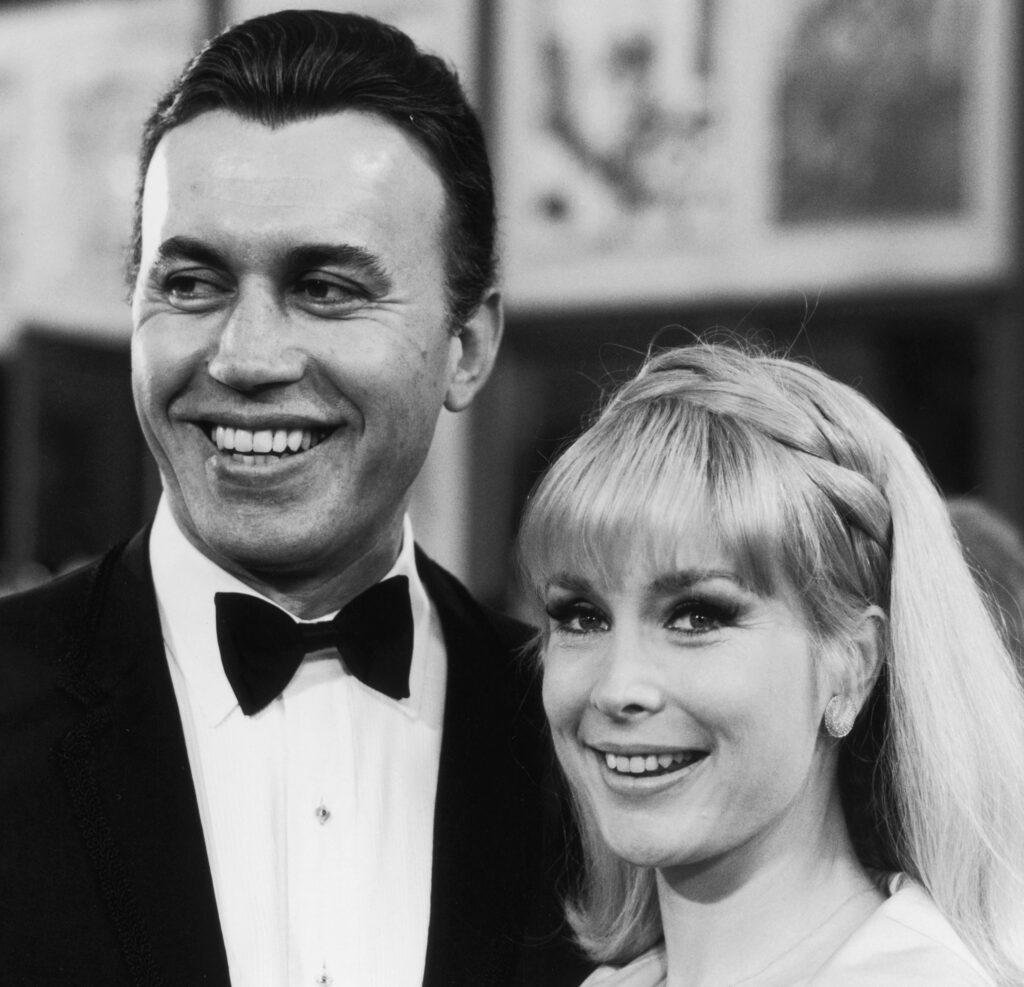
Charles Fegert is a name that frequently appears in discussions about American media history and classic Hollywood, largely because of his successful career in advertising and his high-profile marriage to actress Barbara Eden. While he never sought the same level of celebrity as many public figures of his era, his professional accomplishments and personal life placed him in the public eye during a transformative period for both the newspaper and entertainment industries.
Unlike actors or entertainers whose careers are documented extensively, much of Charles Fegert’s story is pieced together through newspaper archives, interviews with contemporaries, and historical accounts surrounding the media organizations where he worked. That makes separating documented facts from popular anecdotes particularly important.
This article examines Charles Fegert’s career, his role in newspaper advertising, his relationship with Barbara Eden, and the broader historical context that shaped his professional life. Rather than focusing on celebrity gossip, the goal is to provide a balanced, evidence-based overview of a figure whose legacy sits at the intersection of journalism, advertising, and American popular culture.
Key Takeaways
- Charles Fegert built a successful career as a newspaper advertising executive.
- He became widely known after marrying actress Barbara Eden in the 1970s.
- His career reflected the importance of print media advertising before the digital era.
- Historical records indicate he worked in senior advertising leadership positions at major newspapers.
- Most public interest in Fegert stems from his marriage and divorce rather than his business achievements.
- Understanding his career provides useful insight into the newspaper industry’s business model during the mid-20th century.
Background and Early Life
Compared with many public personalities, relatively little verified information exists regarding Charles Fegert’s childhood and education. Public records primarily document his professional achievements rather than his early personal history.
What is well established is that he entered the newspaper advertising industry during a period when newspapers represented one of America’s most influential commercial platforms. Long before digital marketing, newspapers were central to:
- Local business advertising
- National brand campaigns
- Classified advertising
- Political communication
- Public announcements
Advertising departments generated a significant portion of newspaper revenue, making experienced executives like Charles Fegert valuable business leaders.
Charles Fegert’s Career in Newspaper Advertising
Charles Fegert spent much of his career in newspaper advertising management. Historical accounts associate him with leadership positions involving advertising sales and business development within major metropolitan newspapers.
During the mid-20th century, advertising executives performed responsibilities that included:
- Managing relationships with major advertisers
- Negotiating advertising contracts
- Developing revenue strategies
- Coordinating advertising campaigns
- Working closely with editorial leadership while maintaining business operations
These roles required both business acumen and an understanding of consumer behavior.
The Importance of Newspaper Advertising
To appreciate Charles Fegert’s career, it’s useful to understand the environment in which he worked.
Before the internet:
| Then (Print Era) | Today (Digital Era) |
|---|---|
| Newspaper ads dominated local marketing | Digital advertising dominates |
| Classified ads generated major revenue | Online marketplaces replaced classifieds |
| Daily circulation drove advertising value | Web traffic and engagement drive value |
| Geographic reach determined pricing | Audience targeting determines pricing |
| Print deadlines shaped campaigns | Real-time campaign optimization |
Executives like Charles Fegert helped businesses maximize visibility through one of the most influential communication channels of the era.
Connection to Barbara Eden
Charles Fegert became widely recognized after marrying actress Barbara Eden, best known for her starring role in I Dream of Jeannie.
Their marriage attracted significant media attention because Eden was already an internationally recognized television star.
Marriage
The couple married in 1977 after dating for several years.
During their relationship:
- Barbara Eden remained active in television.
- Charles Fegert continued his business career.
- They appeared together at public events.
- Entertainment publications regularly covered their relationship.
Because Eden’s celebrity status was considerably higher than Fegert’s public profile, many historical references to him focus primarily on their marriage.
Challenges Within the Marriage
Although many celebrity relationships receive idealized coverage early on, Barbara Eden has spoken candidly in later interviews about the difficulties within the marriage.
Among the issues discussed publicly were:
- Professional pressures
- Lifestyle differences
- Personal challenges
- Marital strain
As with many historical accounts involving private relationships, some reports remain based on interviews and memoirs rather than independently verified documentation. It is therefore important to distinguish firsthand statements from speculation.
The marriage ended in divorce in the early 1980s.
Professional Reputation
Despite public attention surrounding his personal life, Charles Fegert maintained a reputation as a capable newspaper executive.
Industry leadership during that era required expertise in:
- Marketing strategy
- Sales management
- Client negotiations
- Revenue forecasting
- Market analysis
Advertising executives often served as the financial backbone of newspaper organizations, ensuring that editorial operations remained commercially sustainable.
The Newspaper Industry During Charles Fegert’s Career
Charles Fegert worked during what many historians consider the golden age of metropolitan newspapers.
Several characteristics defined the industry:
Strong Local Markets
Large cities often supported multiple competing newspapers.
High Advertising Revenue
Department stores, automobile manufacturers, retailers, and real estate firms relied heavily on newspaper advertising.
Limited Competition
Before cable television expanded and decades before digital media emerged, newspapers enjoyed relatively limited competition for local advertising dollars.
Business Innovation
Advertising departments continually experimented with:
- Color printing
- Special editions
- Retail inserts
- Promotional campaigns
- Circulation growth strategies
Professionals like Charles Fegert contributed to these business innovations.
Public Interest Versus Historical Record
One challenge in researching Charles Fegert is the imbalance between media attention on his private life and documentation of his professional accomplishments.
Public Focus
Many articles emphasize:
- Marriage to Barbara Eden
- Celebrity appearances
- Divorce
- Personal relationships
Historical Perspective
A broader historical view recognizes:
- His lengthy advertising career
- Leadership responsibilities
- Contributions to newspaper business operations
- Influence within advertising departments
This distinction reflects a common pattern in media history, where individuals connected to celebrities often receive disproportionate attention for their personal lives rather than their professional work.
Leadership Qualities Seen in Newspaper Advertising
Although detailed records of Charles Fegert’s management style are limited, senior advertising executives of his era typically relied on several core leadership skills.
Relationship Building
Long-term advertiser relationships formed the foundation of newspaper revenue.
Negotiation
Large advertising contracts required careful negotiation between publishers and businesses.
Market Awareness
Executives needed to understand:
- Consumer demographics
- Seasonal buying patterns
- Local economic conditions
- Industry trends
Revenue Strategy
Advertising leadership balanced profitability with maintaining long-term client trust.
Lessons Modern Professionals Can Learn
Although today’s advertising environment differs dramatically, Charles Fegert’s career illustrates several enduring business principles.
Adapt to Market Changes
Media industries constantly evolve. Successful professionals remain flexible.
Relationships Matter
Technology changes, but trust continues to drive business partnerships.
Commercial Success Supports Journalism
Advertising revenue historically funded newsroom operations, highlighting the importance of sustainable business models.
Leadership Extends Beyond Visibility
Many influential professionals operate behind the scenes rather than in front of cameras.
Comparing Print Advertising Then and Digital Marketing Today
| Category | Print Newspaper Era | Modern Digital Marketing |
|---|---|---|
| Audience | Geographic | Global |
| Targeting | Broad demographics | Highly personalized |
| Measurement | Estimated circulation | Real-time analytics |
| Campaign Updates | Daily or weekly | Instant |
| Creative Format | Print layouts | Multimedia |
| Performance Tracking | Limited | Detailed dashboards |
| Customer Interaction | One-way communication | Interactive engagement |
While technology has transformed advertising, many strategic principles remain remarkably similar.
Charles Fegert’s Legacy
Charles Fegert occupies an interesting place in American media history.
His professional work reflected the importance of newspaper advertising during one of the industry’s strongest periods, while his marriage to Barbara Eden introduced him to a much broader public audience.
Although he never achieved celebrity through entertainment, his career demonstrates how business executives contributed to the success of major media organizations behind the scenes.
Today, historians examining newspaper economics often emphasize the critical role advertising departments played in supporting journalism. Professionals like Charles Fegert were part of that ecosystem.
Historical Limitations
Researching Charles Fegert presents several limitations:
- Limited biographical records exist compared with major public figures.
- Some widely circulated stories rely on memoirs or entertainment reporting.
- Contemporary newspaper archives emphasize his connection to Barbara Eden more than his business career.
- Detailed documentation of his professional accomplishments is relatively scarce.
Recognizing these limitations helps readers distinguish between documented history and anecdotal accounts.
Conclusion
Charles Fegert remains best known publicly because of his marriage to Barbara Eden, but reducing his legacy to that relationship overlooks a substantial career in newspaper advertising. Working during a period when print media held extraordinary commercial influence, he represented the business leadership that helped newspapers thrive financially. His story also illustrates how individuals working behind the scenes can become part of cultural history through both professional contributions and personal connections. While some aspects of his life remain less thoroughly documented than those of major celebrities, the available historical record points to a capable advertising executive whose career reflected the evolving landscape of American media in the mid-20th century.
FAQs
1. Who was Charles Fegert?
Charles Fegert was an American newspaper advertising executive who became widely known through his marriage to actress Barbara Eden.
2. What was Charles Fegert’s profession?
He worked in newspaper advertising management, holding senior business and advertising leadership roles during the height of the print newspaper era.
3. Why is Charles Fegert famous?
Most public recognition comes from his marriage to I Dream of Jeannie star Barbara Eden, although he also had a successful business career.
4. When did Charles Fegert marry Barbara Eden?
Charles Fegert and Barbara Eden married in 1977.
5. Did Charles Fegert work in journalism?
His work was primarily on the business side of newspapers, particularly advertising and revenue management, rather than editorial journalism.
6. What industry did Charles Fegert help shape?
He contributed to the newspaper advertising industry during a period when print publications were dominant sources of news and commercial advertising.
7. Why is information about Charles Fegert relatively limited?
Unlike entertainers or elected officials, Charles Fegert maintained a comparatively private public profile, leaving fewer biographical records. Much of the available information comes from newspaper archives and coverage of his relationship with Barbara Eden.
8. What is Charles Fegert’s historical significance?
His career offers insight into how advertising executives supported the financial success of newspapers during the twentieth century, while his marriage to Barbara Eden ensured his place in popular culture history.